
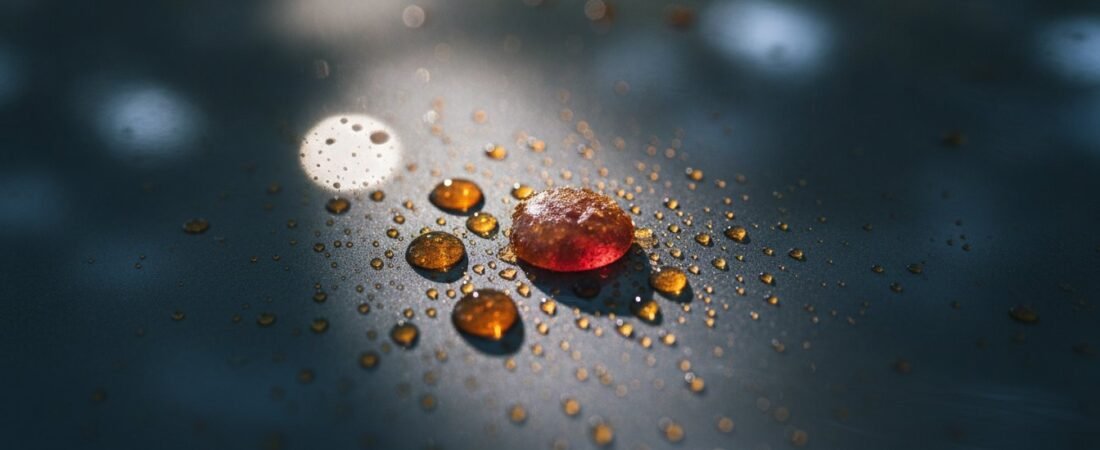
Don’t scrub that sticky blob. Hardened tree sap is harder than your clear coat, and scrubbing it is like polishing your paint with a small rock.
And before you reach for anything: there are two completely different sticky things that fall out of trees onto cars, and they need opposite solvents. Use the wrong one and you’ll swear the stuff is permanent.
I’m a certified master paint technician (B&P TEAM, 2019). Half the “impossible” sap jobs that come through a shop are just somebody using the right product on the wrong substance.
The short answer
Resin and honeydew need different treatment. Honeydew is water-soluble, so warm shampoo solution usually shifts it. For hardened resin, lay a microfibre wet with isopropyl alcohol or sap remover on it for 30 to 60 seconds, wipe once and repeat. Test low first and re-protect afterwards.
What you need
Picks that fit this job.
MR.SIGA Microfibre Towels (3-Pack)
A large microfibre for soaking, wiping and drying.
Check on AmazonAutoglym Rapid Ceramic Spray
Adds protection back after washing, claying or polishing.
Check on AmazonI picked these on listing quality and have not tested them yet. Affiliate links: as an Amazon Associate I earn from qualifying purchases, at no extra cost to you.
Substance 1: Resin (Real Sap)
This is what a conifer bleeds when damaged: terpenes and resin acids, designed by evolution to seal a wound and set hard. It lands as a soft sticky bead, the volatile fraction evaporates, and what’s left polymerises into a hard, brittle, glassy solid keyed into every microscopic texture of your clear coat.
Resin is non-polar. Water does nothing. Shampoo does nothing. It needs a solvent that matches its chemistry: alcohol, citrus terpene, or a dedicated sap and tar remover.
Substance 2: Honeydew (Not Sap at All)
This is the one most people actually have. It’s the sugary excretion of aphids feeding in the canopy, raining down as a fine sticky mist, which is why it arrives as thousands of tiny freckles instead of a few blobs. It’s largely sugar, so it’s water-soluble. Warm water and a proper shampoo dwell take most of it off. A strong solvent is overkill and strips your protection for nothing.
Why Leaving Either One Is a Bad Idea
Resin hardens by losing volatiles and shrinks as it does, gripping your clear coat while it contracts. That puts a small permanent pulling stress on the surface, and on a hot panel, where the clear is softer, it can leave a ring or slightly sunken mark after the resin is gone. On top of that, resin acids and concentrated sugars sitting for weeks under heat and UV attack and stain the top of the clear. That’s why you lift a blob and find a cloudy amber ghost exactly its shape. The mark is often the paint itself, changed.
Removal
Shade first, always. Solvents flash off instantly on a hot panel, giving you streaks and no working time.
For honeydew freckles: wash normally but let warm shampoo solution dwell on the area for a few minutes before you touch it. Most releases without contact. What’s left usually comes off with a quick detailer and a plush towel. No solvent.
For hardened resin: soak, don’t scrub.
- Wet a folded microfibre with isopropyl alcohol or a dedicated sap remover.
- Lay it directly on the blob and leave it 30–60 seconds. You’re letting the solvent penetrate and soften it, not wiping.
- Wipe once, gently, in one direction. Fold to a clean face.
- Repeat the soak if anything’s left. Never go back and forth with hardened fragments on the towel.
Two rules: test low first (a sill or lower door, not the bonnet), and re-protect afterwards. Any solvent strong enough to dissolve resin has removed your wax or sealant in that area.
- Plush towel: MR.SIGA Microfibre Towels (3-Pack)
- Re-protect: Autoglym Rapid Ceramic Spray · Turtle Wax Hybrid Ceramic Spray
Sap’s Gone, Mark’s Still There
- A faint cloudy ghost or light amber stain usually polishes out with a light finishing polish, since the affected material is in the top of the clear.
- A defined ring with a raised or sunken edge you can feel with a fingernail is deeper (shrinkage stress plus staining). Levelling it costs clear coat you may not want to spend.
- Still visible after a full correction means it’s into the colour, and that’s a refinishing conversation.
Prevention is unglamorous and works: a hard sealant or coating gives the resin something to grip that isn’t your paint, so it comes off cleanly.
Four Things I See
- Picking at it with a fingernail or plastic scraper. Brittle resin breaks into sharp fragments you then drag across the panel.
- Neat acetone or lacquer thinner. Strong enough to attack the clear coat itself. That’s damage, not removal.
- Pressure washing a resin blob at close range. It won’t shift, and you may drive water into trim seams.
- Parking under the same tree without re-protecting. You stripped the protection getting the sap off. The tree hasn’t moved.
Quick FAQ
What removes tree sap from a car? For hard resin, isopropyl alcohol or a dedicated sap remover, soaked not scrubbed. For sticky freckles (honeydew), warm shampoo solution.
Does tree sap damage car paint? Yes. Left for weeks, it can stain and etch the clear coat and leave a ring.
Is acetone safe to remove sap? No. It can attack the clear coat.
Affiliate disclosure: Some links in this post are Amazon affiliate links. As an Amazon Associate I earn from qualifying purchases, at no extra cost to you. Prices on Amazon change, so check the current price there. I haven’t personally tested every product yet, and I’ll update this post with honest verdicts as I do.
Related posts: Bird Poop Damage · Bug Splatter on Your Bumper: Clean It the Day You Get Home · Road Tar: The Silent Paint Killer (and It’s Not the Tar)
Master guide: how to wash a car without scratching it