
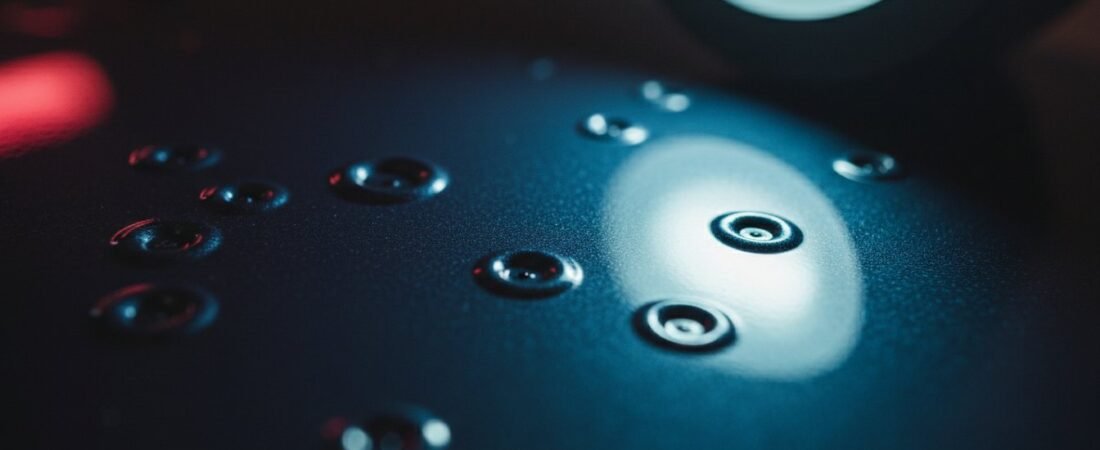
Solvent pop leaves tiny empty craters from solvent escaping late. Fisheyes are different: circles where the paint has pulled away from something and left a clean ring with the layer underneath showing through. They look similar in a phone photo. They’re completely different problems with different culprits. And this one is occasionally, genuinely, the owner’s doing.
I’m a certified master paint technician (B&P TEAM, 2019). This is a trade-insider one, and the awkward member of the pair, because the cause involves products many of you use weekly. So the limits, up front: I’m not naming any product. I’m not saying anything is bad. I’m not saying your defect was your fault, because I can’t know that and neither can anyone who wasn’t in the booth. I’m describing a mechanism and one habit worth changing before you book paintwork.
The short answer
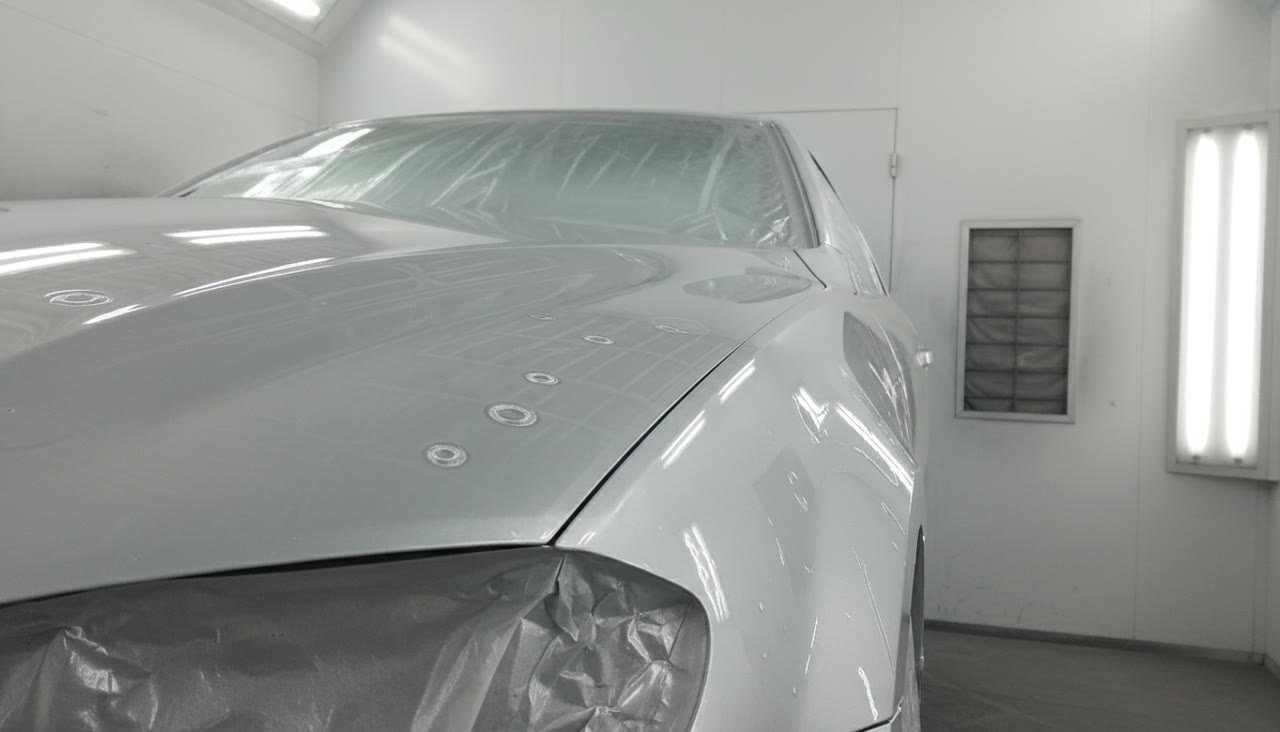
Fisheyes are small circular craters with a raised rim, where wet paint pulled back from a spot of contamination, most often silicone. They can’t be polished out. To prevent them, clean panels with wax and grease remover and stop applying dressings before paintwork. If they appear anyway, stop spraying, let the paint harden, then level it for a repaint or see a professional.
Why Liquid Paint Makes a Hole in Itself
Paint flows flat because it wets the surface it lands on, and spreading is what it energetically wants to do. That only works if the surface is reasonably consistent. Put a tiny spot on the surface that paint does not want to wet (a droplet of something oily, or most commonly in a paint shop, silicone) and the paint pulls back from it. Being a liquid, it doesn’t just stop: it retracts, gathering itself into a ring around the contaminated point and leaving the middle bare.
That’s a fisheye: a circular crater, the layer beneath showing in the centre, and a raised rim of gathered paint around the edge. That rim is the fastest way to tell it from solvent pop, which is an empty hole with nothing raised. The paint that used to be in the middle went to the edge.
Where the Contamination Comes From
Silicone is in a lot of things: some trim dressings, tyre dressings and spray detailers. It’s in them because it works, giving a deep look on plastic and rubber cheaply and durably. I’m not against it. I’m telling you where it is.
The problem is that silicone migrates. It doesn’t stay where you put it. It travels by overspray, by water running down a panel, by a cloth that touched one thing then another. It’s extremely persistent, and washing doesn’t reliably remove it. So a car can arrive at a shop with silicone on a panel from a product applied to a different part of the car months earlier, by someone who did nothing wrong. My professional judgement, from watching this more than once: the contamination is often older than anyone realises and somewhere nobody looked.
Three Circular-Looking Things
- Fisheye: circular, layer visible in the middle, raised rim.
- Solvent pop: smaller, scattered, empty, nothing raised.
- Dirt inclusion: something physically in it, sticking up with a hard centre. The opposite of a crater.
Rim, empty, or occupied. That’s the whole diagnostic, and it holds up on a panel in a car park with a torch.
Two Situations, Two Answers
You already have it on fresh paint: don’t touch it (polishing a fisheye just exposes more of the shape). Photograph it in raking light, then say: “These look like fisheyes. Before we talk about who’s responsible, I want to tell you what’s been used on this car, in case it helps.” It doesn’t concede fault or accuse. It offers the one piece of information only you have and that helps solve it: what’s been on the car. A shop that hears that will tell you honestly what they think, because you’ve removed the reason to be defensive.
You’re booking paintwork: the only instruction in this post: in the weeks before the car goes in, stop applying dressings to trim, arches and tyres. Not forever, just before. And tell them what you’ve been using. Nothing to buy.
No product links, because nothing you can buy fixes or prevents it.
Keeping contamination out of a DIY job
- Clean every panel with a proper wax and grease remover before painting.
- Keep silicone-based sprays, polishes and some hand creams well away from the work area.
- Use clean gloves and lint-free cloths.
- Make sure the compressed air supply has a working moisture and oil filter.
If it happens anyway
Stop spraying, let the paint harden, and decide between levelling it back for a repaint or sending the panel to a professional. Adding more coats on top of contamination rarely works, and the defect usually returns. Working out what caused the contamination matters as much as repairing the panel.
Quick FAQ
What causes fisheyes in car paint? A tiny spot of contamination (often silicone) that paint refuses to wet, so it pulls back into a ring.
Can fisheyes be polished out? No. Polishing just exposes more of the crater.
How do I prevent fisheyes before a repaint? Stop applying trim, arch and tyre dressings for a few weeks beforehand, and tell the shop what you’ve used.
No product links in this post: nothing sold in a bottle fixes it, and I don’t link products I’d be guessing about.
Related posts: Paint Delamination · Oxidised Chalky Paint · Paint Blistering · Solvent Pop
Master guide: how to wash a car without scratching it