
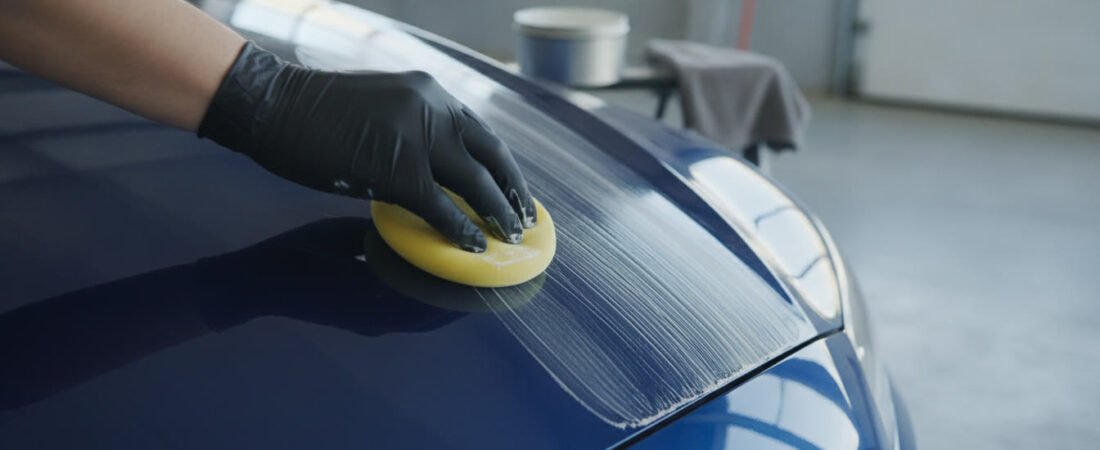
Wax is the oldest protection option and still the easiest to apply. The real decision is not “wax or no wax”, it is how long you want it to last and how much effort you want to spend.
The three main types
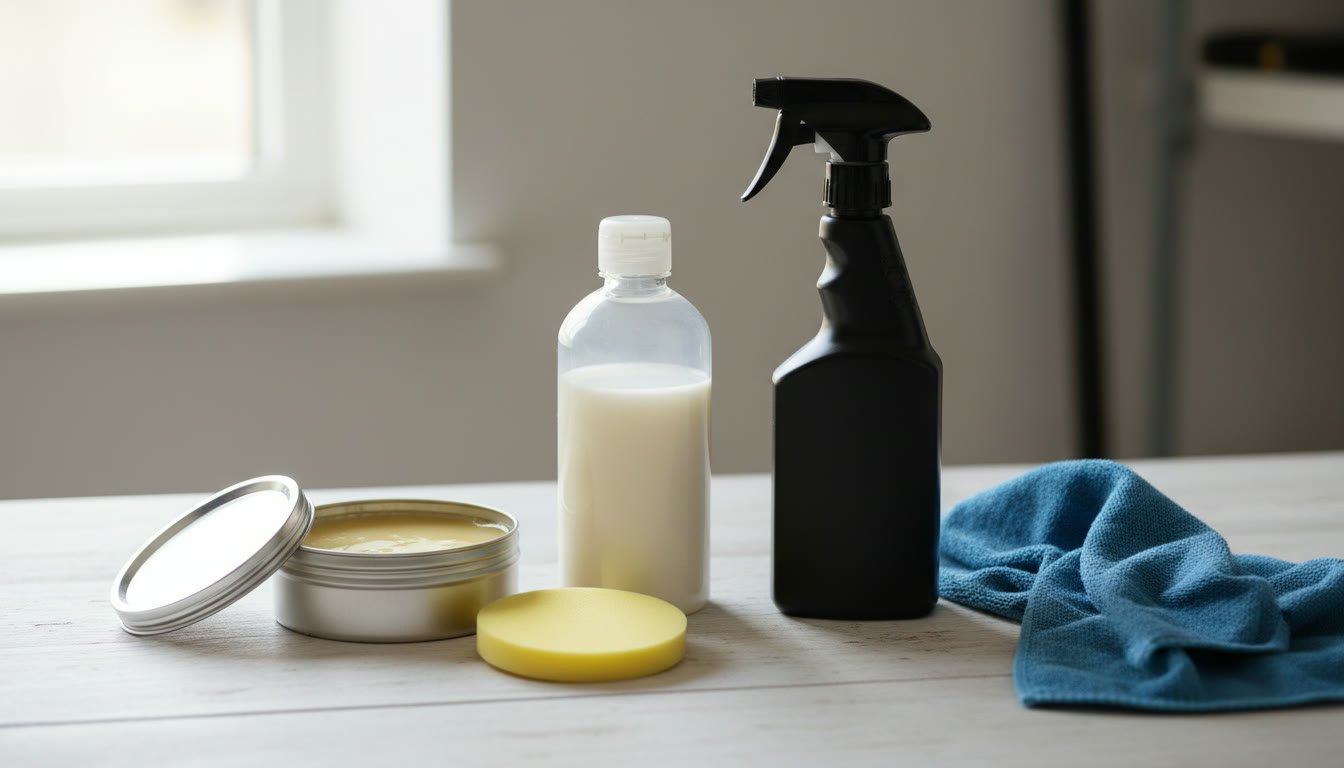
| Type | Look | Durability tendency | Notes |
|---|---|---|---|
| Carnauba (natural) wax | Warm, deep gloss | Shorter, often weeks to a couple of months | Pleasant to use, most traditional |
| Synthetic sealant | Slick, glassy, sharp | Longer, often a few months | Easy to apply, less “warm” look |
| Hybrid or ceramic-infused | Slick, strong water behaviour | Varies by product | Often spray or quick-wipe formats |
Paste, liquid or spray
Paste and liquid waxes give you a thin, even layer if you apply them properly. Sprays are the fastest and the easiest to use, and the most forgiving, but they are generally lighter-duty. The best wax is the one you will actually apply.
Prep matters more than the wax
Wax over dirt or contamination looks poor and fails early. Wash, decontaminate, and polish first if the paint needs it. Polishing is a separate step; see our complete wash and polish guide.
How to apply it
- Work on a cool, clean panel in shade.
- Apply a thin, even layer. More wax is not more protection; it is just harder to remove.
- Let it cure for the time on the label.
- Buff off with a clean, plush microfibre towel.
- Keep wax off unpainted black trim where you can, because it can leave white residue.
When to reapply
When water stops beading and sheeting on the surface. That is a better signal than a date on the calendar.
When wax is not the right tool
If you want multi-year protection and are prepared to do the prep, a ceramic coating is the other option. Read 5 signs your car is ready for ceramic coating before deciding.
How long each type realistically lasts
Durability depends on weather, how often you wash and what you wash with, so treat these as ballparks rather than promises. Carnauba paste wax usually gives a deep glow for a few weeks to a couple of months. Synthetic paint sealants commonly last a few months. Hybrid products that blend wax and sealant sit in the middle. Strong detergents, automatic car washes and harsh Australian sun all shorten the life of any protection, so a car that lives outside will need reapplying sooner than one kept in a garage.
Common mistakes to avoid
- Applying too much product. A thin, even layer works better and is far easier to remove.
- Working in direct sun or on a hot panel, which makes wax dry too fast and streak.
- Skipping the wash and clay step, so the wax sits on top of contamination.
- Using the same dirty towel for removal. Use a clean, soft microfibre and flip it often.
- Expecting wax to fix swirls or scratches. It only fills very fine marks temporarily.
Which one should you choose?
If you enjoy the process and want the warmest, richest shine for a weekend car, carnauba paste is hard to beat. If you want something that lasts longer and is quick to apply on a daily driver, a sealant or a hybrid is the practical choice. If you are short on time, a spray wax or spray sealant used after each wash keeps a base layer topped up in minutes. Whatever you pick, a consistent routine matters more than the exact product.
A simple wax routine that works
After a proper wash and a clay or iron-remover step if the paint feels rough, dry the car completely and work out of direct sun. Apply wax with a foam applicator in thin, overlapping passes, one panel at a time. Let it haze according to the product label, then buff it off with a clean microfibre, flipping the towel often. Finish with a quick check in angled light for any missed smears, then wipe those away with a fresh towel. A spray wax used after each wash keeps the layer topped up between full applications.
Storing and caring for your products
Keep waxes and sealants in a cool, dry place with the lid closed so they do not dry out or separate. Replace foam applicators and microfibres when they get hard, contaminated or worn, since a gritty towel can undo the work you just did. Wash used microfibres separately from other laundry, with a gentle detergent and no fabric softener, so they stay soft and absorbent. Good habits with the small stuff make every application easier and the finish better.
Finally, read the label on whatever product you choose. Cure times, temperature ranges and compatibility with other layers vary between brands, and following the instructions is the easiest way to get the result the manufacturer intended.
Frequently asked questions
Can I put wax over a sealant?
Yes. Many people apply a sealant for durability and a wax over it for look. Let the sealant cure fully first.
Does wax fix scratches?
No. Wax can fill very fine marks temporarily, but scratches are fixed by polishing, not waxing.
Related posts: The Spots Came Back Overnight: Your Car Is Still Draining · Is Rain Damaging Your Paint? Not How You Think · The Sprinkler of Death: How to Remove Water Spots