

Most expensive repairs don’t happen overnight. They start small, get ignored, and snowball. Here are five checks you can do yourself in under ten minutes that catch problems while they’re still cheap to fix.
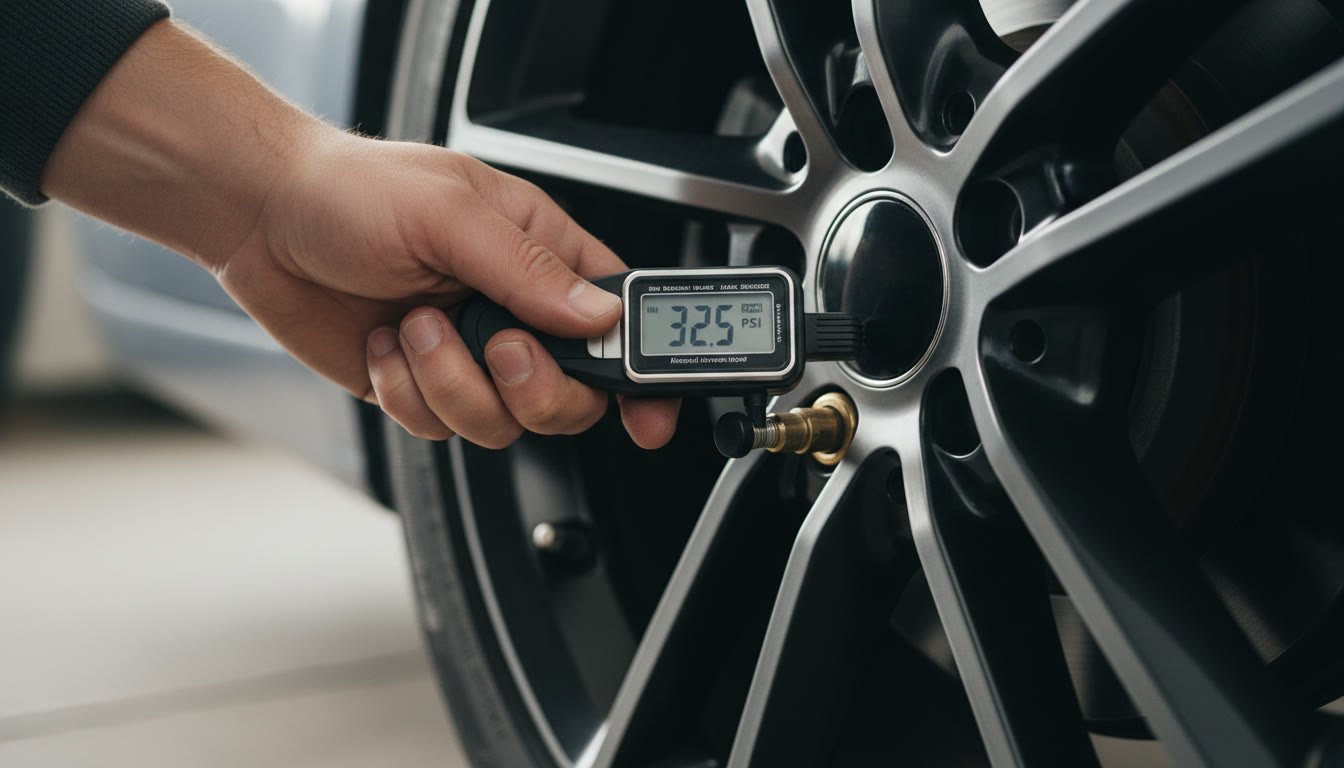
1. Tire tread and pressure
Low tread depth or uneven wear points to alignment or suspension issues that get more expensive the longer they’re ignored. Check pressure monthly — underinflated tires wear faster and hurt fuel economy.
2. Fluid levels and color
Oil, coolant, brake fluid, and transmission fluid should all be checked regularly. Dark, gritty, or low fluid is an early warning sign — catching it early is a top-off, ignoring it can mean a rebuilt engine or transmission.

3. Brake noise and feel
A squeal under braking usually means the pads are near the end of their life. Replacing pads is routine maintenance. Ignoring the squeal until it becomes grinding means you’re replacing rotors too.

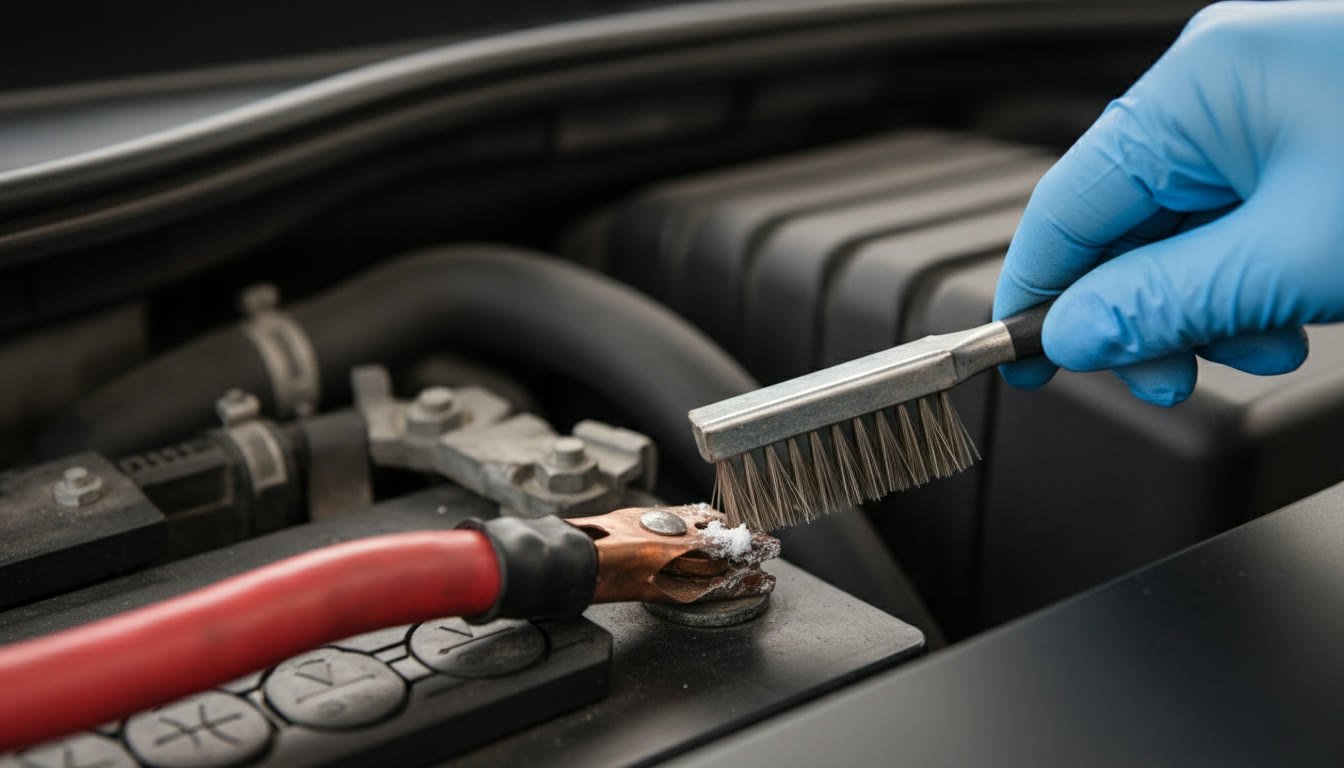
4. Battery terminals and age
Corrosion buildup on terminals or a battery older than four to five years is worth addressing before it leaves you stranded. A dead battery on the road often costs more in towing than the battery itself would have.
5. Dashboard warning lights
It’s tempting to ignore a check engine light if the car still “feels fine.” Some triggers are minor, but others (like a failing oxygen sensor or a loose gas cap) are cheap fixes now that turn into bigger problems if driven on for months.
How often to run these checks
Tire pressure and a quick look at the tread are worth doing every month, ideally when the tires are cold. Fluids, brake feel and the battery can be checked every month or two, and it takes about as long as filling the car with fuel. Warning lights need attention the moment they appear, not at the next service. A simple habit is to pick the first Saturday of the month, run through all five checks, and write down anything that looks different from last time. Small changes over a few months are easier to spot on paper than from memory.
What to do when a check fails
Not every problem is an emergency, but some are. Use this as a rough guide, and when in doubt, ask a qualified mechanic.
- Stop driving and get it checked: a red brake or oil pressure light, a brake pedal that feels soft or sinks to the floor, steam from under the bonnet, or a temperature gauge climbing into the red.
- Book in within a week or two: a squealing brake, uneven tire wear, a slow battery start, or a steady orange engine light with no change in how the car drives.
- Keep an eye on it: a slightly low fluid level that has not moved since last month, or light surface corrosion on a battery terminal that you can clean yourself.
A few cheap tools worth owning
You do not need a workshop. A basic tire pressure gauge, a tread depth gauge, a torch, a clean rag and a pair of gloves cover most of this list. If you want to go one step further, an inexpensive OBD2 code reader plugs in under the dash and tells you why a warning light is on, which helps you decide whether the problem is urgent before you call anyone. Keep the owner’s manual in the glovebox too, because it lists the correct tire pressures, fluid types and what each dashboard symbol means for your specific model.
None of this replaces a proper service at the intervals the manufacturer recommends. It simply means you arrive at the workshop already knowing what is going on, and you are far less likely to be surprised by the bill.
Why small problems get expensive
Most cars give warning signs well before something fails. A tire that wears on one edge is telling you the alignment is out. A coolant level that drops a little each month points to a slow leak. A battery that cranks a little slower each winter is close to the end of its life. Each of these is cheap to deal with early and costly when it strands you at the roadside or damages something else. Checking regularly turns surprise breakdowns into planned maintenance, which is almost always the cheaper way to own a car.
Keep a note in your phone with the date, the odometer reading and anything you noticed. When it is time for a service, the mechanic gets a clear history, and you can see patterns that are easy to miss.
If any of these checks turn up something you’re not sure about, bring it in — a quick diagnostic now is almost always cheaper than the repair bill later.
Looking after the paint is part of the same routine. Our full guide covers how to wash a car without scratching it.
Related posts: DIY vs. Professional Detailing: What’s Actually Worth Paying For · 5 Signs Your Car Is Ready for Ceramic Coating · Swirl Marks: Nobody Did That to Your Car. You Did.